
Fascinating Czech Words With No Direct English Translation

Author
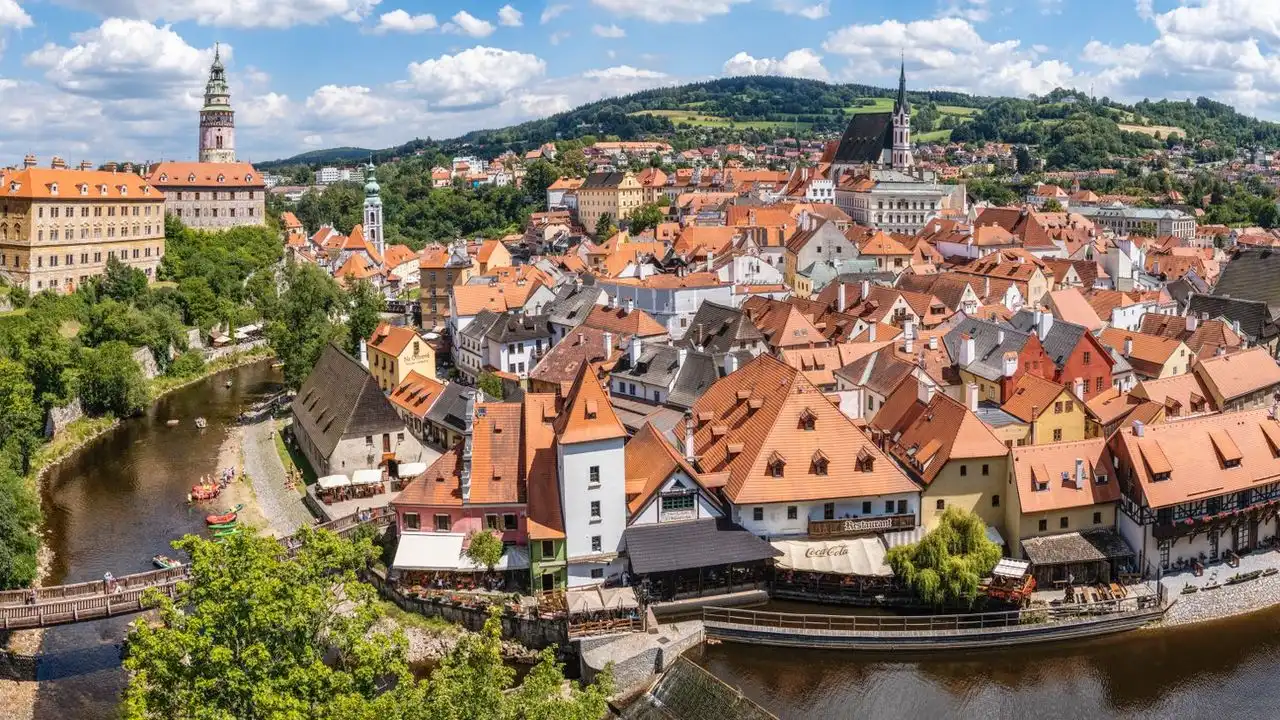
Learning Czech opens the door to a unique way of looking at the world.
Some Czech words pack an entire sentence of English meaning into just a few syllables.
These untranslatable words show you what Czech people value, how we socialize, and how our daily lives work.
Here are the most fascinating Czech words that have no direct English translation.
Table of Contents:
Prozvonit
This is one of the most practical words in the modern Czech language.
Prozvonit means to call someone’s mobile phone and let it ring only once before hanging up so the other person doesn’t pick up.
People used to do this all the time when mobile phone minutes were very expensive.
Today, we mostly use it to say “I’ve arrived outside” or “Here’s my phone number, now you have it in your missed calls.”
Prozvoň mě, ať mám tvoje číslo.
Pohoda
If you want to understand Czech culture, you need to understand pohoda.
English speakers often translate it as “peace,” “relaxation,” or “comfort,” but it’s much more than that.
Pohoda is a complete state of mind where nothing is stressing you out, you have everything you need, and life is good.
Sitting in a sunny beer garden with friends and having nowhere else to be is pure pohoda.
We also use the phrase v pohodě constantly to mean “no problem,” “it’s okay,” or “cool.”
Neboj, všechno je v pohodě.
Lítost
The famous Czech writer Milan Kundera wrote a whole chapter about this word because it’s so hard to translate.
Lítost is a mix of grief, sympathy, remorse, and a sudden realization of your own misery.
It’s not just ordinary sadness.
It’s a very specific, heavy emotional sting that often makes you want to get even with the world.
In everyday speech, though, we also use the related phrase je mi to líto simply to say “I’m sorry” or “I feel bad about that.”
Je mi moc líto, že se ti to stalo.
Mlsat
In English, you might say “to snack” or “to eat sweets,” but neither quite captures mlsat.
Mlsat means to eat something delicious purely for pleasure, not because you’re hungry.
It usually involves eating small amounts of chocolates, pastries, or salty snacks while relaxing on the couch.
If someone loves doing this, you can call them mlsný (having a sweet tooth or being picky with treats).
Nemám hlad, chci jenom něco mlsat.
Vyžít se
This reflexive verb describes getting completely lost in an activity you love and enjoying it to the fullest.
If you love gardening and spend six hours planting flowers in the mud with a huge smile on your face, you’re experiencing vyžít se.
It implies that the activity satisfies a deep personal passion or quirk.
Opravuje v garáži staré auto, úplně se v tom vyžívá.
Vychytávka
The closest modern English slang for this is “life hack” or “clever gadget.”
A vychytávka is a smart trick, a tiny improvement, or a neat feature that makes something work much better.
It comes from the verb vychytat, which means to catch all the flaws or bugs in a system.
Ten nový batoh má super vychytávku na klíče.
Chatařit
During the communist era, travelling abroad was very difficult for Czechs.
Because of this, almost every family bought or built a chata or chalupa (a country cottage) to escape the city on weekends.
Chatařit is the verb for living this specific weekend cottage lifestyle.
It automatically includes packing up the car on Friday afternoon, wearing old clothes, chopping wood, grilling sausages, and fixing the roof all weekend.
Celý víkend budeme chatařit.
Na zdraví vs. dobrou chuť
While other European languages have equivalents to these, English lacks natural everyday translations for both.
Dobrou chuť literally means “good appetite,” and we say it before every single meal, even if you’re just eating a sandwich at your office desk.
If a colleague walks past you while you’re eating, they’ll always say dobrou chuť to you.
Na zdraví means “to your health,” and we use it both for clinking glasses (“cheers”) and when someone sneezes (“bless you”).
Regional untranslatable words
Czech has wonderful regional dialects, especially when you compare Bohemia (the west) and Moravia (the east).
Moravia has its own special untranslatable words that even some people in Prague struggle to explain.
One great Moravian word is koštovat (or the noun košt).
While it comes from a German word for tasting, in Moravia a košt is a specific cultural event where a whole village gathers to taste and judge local homemade wine or plum brandy (slivovice).
Another great word from the Ostrava region in the northeast is fajront.
It means the exact moment your work shift ends and your free time begins, carrying a huge sense of relief.
Jsou tři hodiny, konečně fajront!
Summary table of untranslatable Czech words
Here’s a quick cheat sheet of the words we covered so you can review them easily.
| Czech Word | Closest English Meaning |
|---|---|
| Prozvonit | To ring someone’s phone once and hang up so they don’t pay |
| Pohoda | Complete peace, comfort, and a stress-free state of mind |
| Lítost | A deep mix of grief, remorse, and sudden emotional misery |
| Mlsat | To eat sweet or savory treats purely for pleasure, not hunger |
| Vyžít se | To completely indulge in a hobby and be in your element |
| Vychytávka | A clever trick, gadget, or life hack |
| Chatařit | To spend the weekend doing cottage activities in the countryside |
| Košt | A traditional Moravian village wine or brandy tasting event |
| Fajront | The glorious moment the workday officially ends |
Using these words in conversation will immediately make you sound more like a local.
Try dropping v pohodě or prozvoň mě the next time you speak with a Czech friend!